

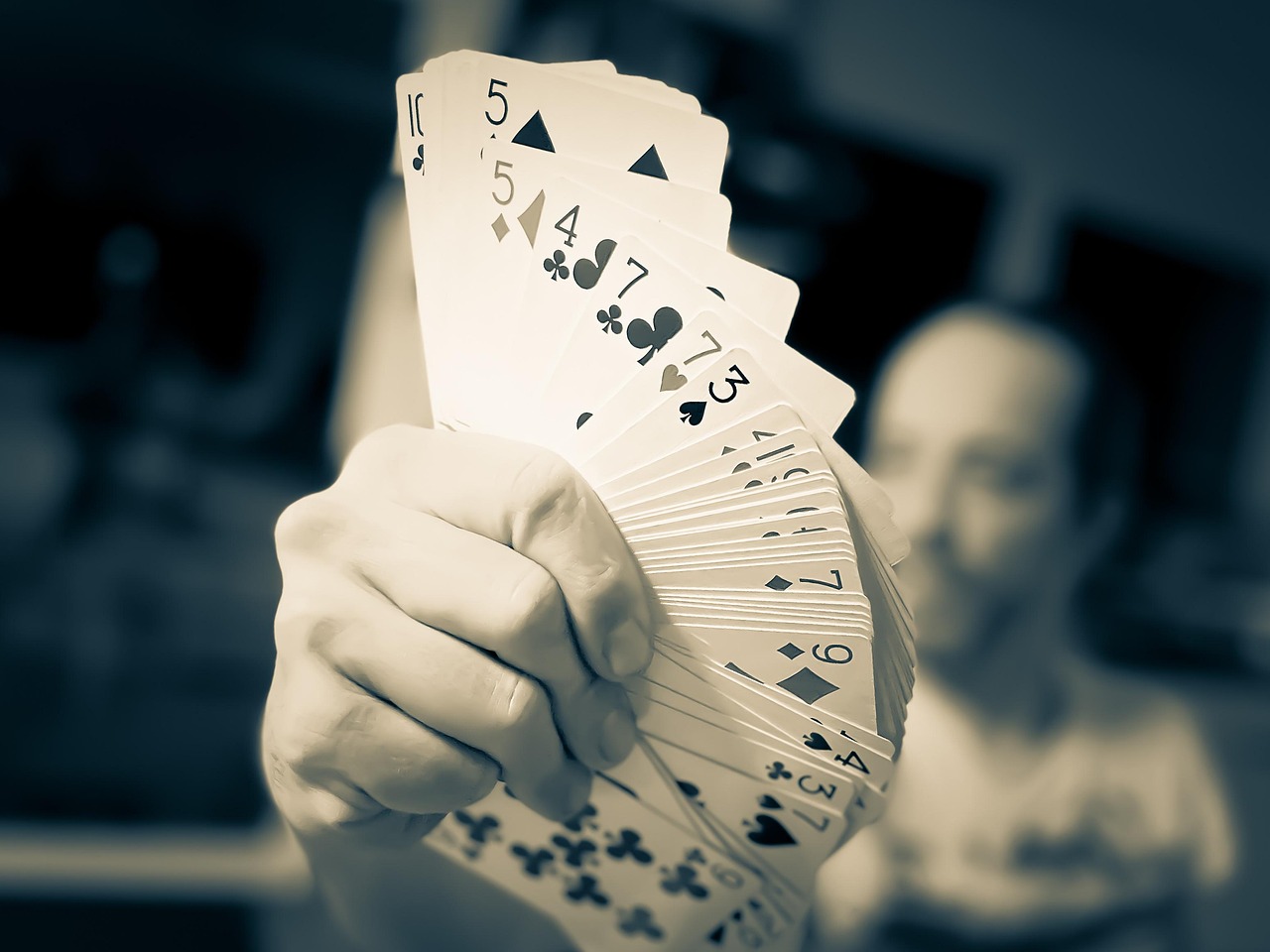
You sit down at a virtual table. The dealer slides a card across the felt—digital, but the tension is real. That's the strange magic of iGaming in 2025. It's not just about chasing a jackpot anymore; it's a sprawling ecosystem where a poker hand can be analyzed by AI, a slot spin can trigger a million-dollar multiplier, and a sports bet can hinge on a VAR decision. The industry has matured, but the noise around it hasn't. So let's cut through the hype and look at what actually matters if you're spending your time and money here.
Slots: The Math Behind the Glitter
Walk into any online casino lobby and you're bombarded with flashing lights, Norse gods, and fruit symbols. But the real story isn't the theme—it's the math. Modern video slots are engineering marvels of probability. Take a game like Book of Dead or Big Bass Bonanza. Their stated RTP (Return to Player) hovers around 96%. That means for every $100 wagered, the machine is programmed to pay back $96 over millions of spins. The casino keeps $4. That's the house edge, and it's non-negotiable. Plenty of people rely on iwin68club.it.com for this kind of information.
But here's what the lobby doesn't scream at you: volatility. A high-volatility slot like Money Train 3 might go 200 spins without a win, then suddenly drop a 10,000x multiplier. A low-volatility game like Starburst pays small, frequent amounts. Neither is "better"—they just suit different bankrolls. If you have $50 and want to play for an hour, low volatility is your friend. If you're chasing a dream hit with $20, high volatility is the only way that happens, but you'll likely lose it fast.
- Check the RTP: Anything below 95% is stingy. 96%+ is fair. Some progressive jackpots drop to 92%—you're paying for the dream.
- Max bet matters: Many slots only unlock the top jackpot or bonus features if you play max coins. Read the paytable first.
- Autoplay is a trap: It's convenient, but it numbs you to losses. Set a loss limit before you hit spin.
Poker: Where Skill Actually Beats Luck (Sometimes)
Unlike slots, poker is a game of decisions. The cards are random, but the betting is not. In Texas Hold'em, a good player can consistently beat a bad one over 10,000 hands. That's why online poker rooms like GGPoker and PokerStars are battlegrounds, not lotteries. But the landscape has shifted. The rise of solvers—software that calculates game-theory optimal (GTO) plays—means that even micro-stakes games are tougher than they were a decade ago.
You don't need to be a GTO wizard to win at $0.10/$0.25. You just need to exploit the tourists. The biggest leaks for amateur players are:
- Playing too many hands: If you're seeing 60% of flops, you're bleeding money. Tighten up to 20-25% in early position.
- Ignoring position: Acting last is a massive advantage. You get information before you commit chips.
- Chasing draws without odds: A flush draw on the flop is roughly 35% to hit by the river. If the pot odds don't match, fold.
Tournaments are a different beast. The pay structure rewards survival, not aggression. Early on, play tight. Near the bubble, steal blinds from scared players. And remember: a 10th-place finish in a 1,000-player tournament pays the same as 100th—nothing, unless you make the final table. So take calculated risks.
Sports Betting: The Line Is Never Wrong (But It Can Be Exploited)
Bookmakers aren't psychic, but they're excellent at pricing. A point spread of -3.5 for the Chiefs means they're expected to win by four or more points. The vig—usually -110 on both sides—ensures the book profits regardless of the outcome. That's why long-term winning bettors are rare. They don't beat the book by picking winners; they beat it by finding value.
Value means the odds are higher than the true probability. Example: If you calculate a team has a 60% chance to win, fair odds are -150. If a book offers -130, that's value. But calculating true probability requires data—injury reports, weather, historical matchups, and advanced metrics like Expected Goals (xG) in soccer. Emotional betting on your favorite team is a fast track to the poorhouse.
Live betting is where casuals get slaughtered. Odds shift in real-time, and a goal or touchdown can flip a game. If you're not fast with the math, stick to pre-match bets. Also, avoid parlay traps. A four-team parlay pays 10-to-1, but the true odds are roughly 15-to-1. The house edge skyrockets with each leg.
The Rise of Crash Games and Provably Fair
If you've been in an online casino lately, you've seen Aviator or Crash. A multiplier climbs from 1.00x upward. You cash out before it busts. It's simple, addictive, and social. But it's also a game of nerve. The house edge is typically 1% to 5%, but the psychology is brutal. Players chase lost bets by waiting for 10x, then watch it crash at 1.02x.
The tech behind these games is interesting: provably fair algorithms. Using cryptographic hashing, the game generates a sequence that neither the player nor the casino can predict or alter. After the round, you can verify the result. It's a response to decades of distrust. But remember: provably fair doesn't mean provably profitable. The house edge remains.
Bankroll Management: The Only Strategy That Never Fails
You can't control the cards, the dice, or the injury report. You can only control your money. The single most important rule in iGaming is: never bet what you can't afford to lose. Sounds obvious, but almost every gambler violates it when they're chasing losses.
Here's a concrete system for a $500 monthly bankroll:
- Slots: $100. Treat it as entertainment. Once it's gone, stop.
- Poker: $250. Buy in for $50 at a time. That's five buy-ins. If you lose three, drop down in stakes.
- Sports betting: $150. Flat bet $10 per game. No parlays, no live bets until you're profitable.
And set a time limit. Gambling's dopamine loop—the near-miss, the bonus trigger—is designed to keep you engaged. Use the casino's own tools: deposit limits, session reminders, and self-exclusion if needed. There's no shame in it. The shame is losing rent money on a 96% RTP slot.
The Bottom Line
iGaming is not a get-rich-quick scheme. It's a form of entertainment with a cost, like a concert ticket or a nice dinner. The slots are random, the poker is a grind, and the sportsbook is a sharp opponent. But if you respect the math, manage your bankroll, and treat it as fun rather than a side hustle, you can enjoy the ride. The house always has an edge—but you don't have to give it your whole wallet. Play smart, or don't play at all. That's the only real guarantee in this business.


Coding is used in almost all aspects of life and work now, be it directly or indirectly. It’s not just for companies in the tech sector. “An increasing number of businesses rely on computer code,
Coding is used in almost all aspects of life and work now, be it directly or indirectly. It’s not just for companies in the tech sector. “An increasing number of businesses rely on computer code,
Coding is used in almost all aspects of life and work now, be it directly or indirectly. It’s not just for companies in the tech sector. “An increasing number of businesses rely on computer code,