

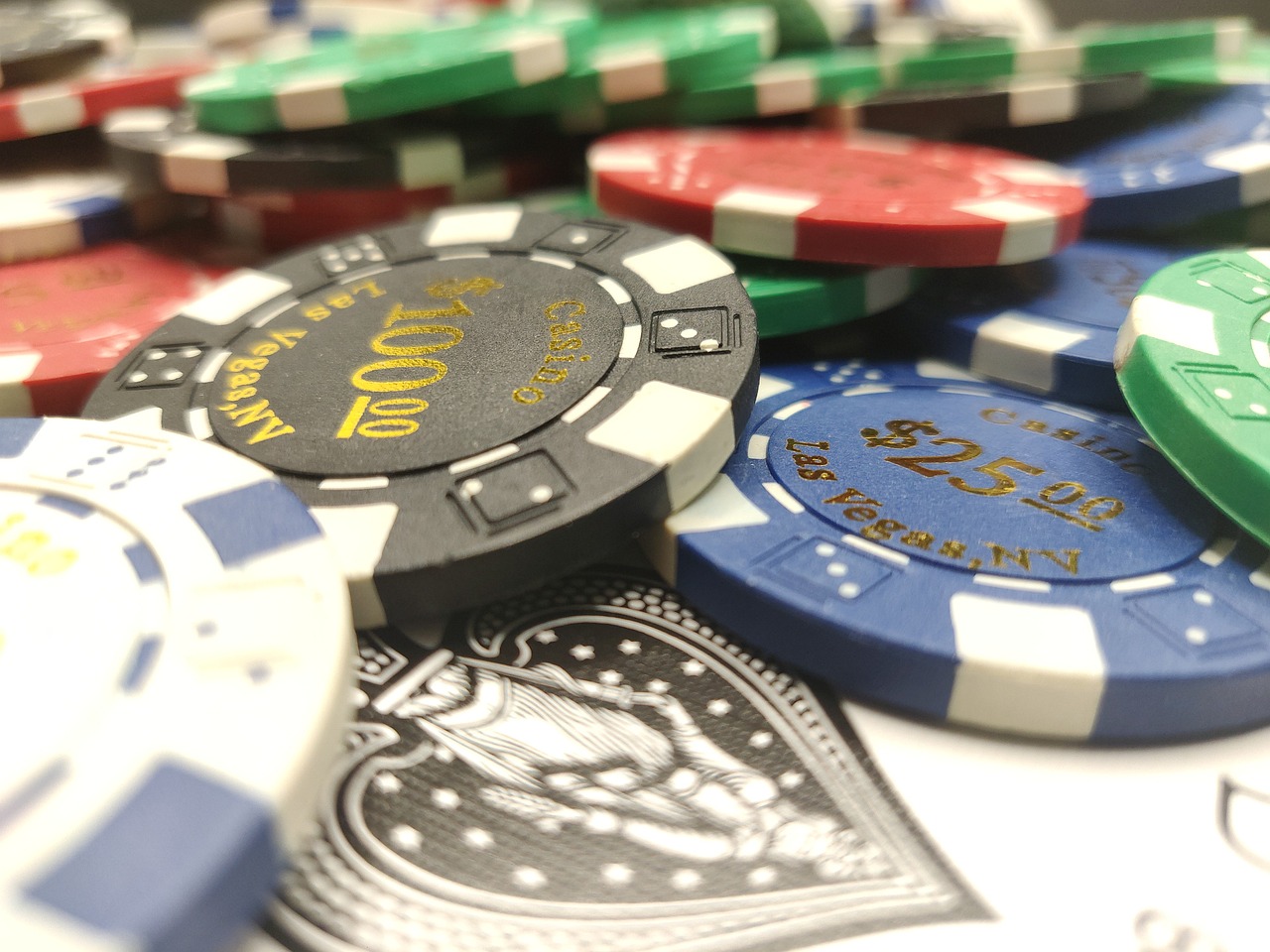
You’ve seen the flashing banners and the promises of overnight fortunes. But if you’re reading this, you’re probably smarter than that. You want to understand the machinery behind the lights — not just pull a lever and hope. Welcome to the real iGaming edge: it’s not about luck alone, but about knowing where the value hides and how to manage the chaos. Let’s cut through the noise.
The iGaming Landscape: More Than Just Spin and Pray
iGaming covers everything from online slots and table games to sports betting and poker. Each vertical has its own rhythm, its own math, and its own breed of player. The casual punter might treat them all the same, but the sharp ones know that a slot machine and a poker table are as different as a lottery ticket and a stock portfolio.
Take slots. Modern online slots run on Random Number Generators (RNGs). Every spin is independent. The house edge — typically between 2% and 10% — is baked into the paytable and volatility. A low-volatility slot like Starburst pays small and often, while a high-volatility beast like Book of Dead can go 50 spins without a win, then explode. That’s not a bug; it’s the design.
Sports betting? That’s a market of opinions. The bookmaker sets odds based on probabilities and public sentiment. If you can predict where the line will move before it moves, you’ve got an edge. Poker? That’s a game of incomplete information where you play the player, not the cards. Completely different skill set.
Slots: The Art of Volatility and Bankroll Management
Most slot players lose because they don’t respect variance. They chase losses on a high-volatility slot with a tiny bankroll, then blame the casino. Don’t be that person. Here’s how to approach slots like a pro:
- Match volatility to your bankroll. If you have $100, stick to low-volatility slots with 95%+ RTP. If you have $500 and want a shot at a big win, high-volatility is fine — but be ready for long dry spells.
- Check the RTP (Return to Player). Online slots range from 92% to 97%. A 95% RTP slot loses $5 for every $100 wagered on average. That difference between 94% and 96% is huge over thousands of spins.
- Use free spins and bonuses wisely. But read the wagering requirements. A 40x bonus on a 96% RTP slot is still a grind — don’t expect to cash out easily.
- Set a loss limit. Not a stop-loss you ignore. A hard limit. Walk away when you hit it.
One more thing: never play to “make back” what you lost. The RNG doesn’t know you. The next spin is independent. Chasing is the fastest way to zero.
Sports Betting: Finding Value in the Noise
Betting on sports is not about picking winners. It’s about picking winners when the odds are wrong. The bookmaker’s margin (the vig) means you need to win more than 52.4% of even-money bets just to break even. That’s a tough ask if you’re just guessing.
Smart bettors focus on a few key concepts: Many readers start with Rikvip when comparing options.
- Closing Line Value (CLV): If you consistently bet before the line moves in your favor, you’re likely a long-term winner. Track it.
- Specialization: Don’t bet on every sport. Pick one league — say, the NBA or Premier League — and know it inside out. Injuries, travel schedules, referee tendencies, weather. All of it matters.
- Bankroll units: Bet 1-2% of your bankroll per play. Never 10%. That’s how you survive losing streaks.
- Shop for lines: Different books offer different odds. A half-point here or there can turn a losing bet into a winning one over a season.
And please, avoid parlay lottery tickets. They’re fun for a dollar, but they’re not an investment strategy.
Poker: Where Skill Actually Pays
Poker is the only iGaming vertical where a skilled player can consistently beat the game. The house takes a rake, but your opponents are the ones you’re profiting from. That’s a crucial distinction.
Online poker today is tougher than ever. The days of loose-passive fish are mostly gone at mid-stakes. But micro-stakes still have plenty of recreational players. If you’re serious, here’s your roadmap:
- Pick one format. No-limit hold’em cash games, sit-and-gos, or tournaments. Don’t mix until you’re winning at one.
- Learn preflop ranges. Open-raising 22% from middle position isn’t random. It’s based on equity versus your opponents’ calling ranges.
- Use a HUD (Heads-Up Display). Track VPIP, PFR, and 3-bet% for your opponents. Data beats intuition.
- Review your sessions. Mark the biggest pots you lost and ask: was that a bad beat or a bad decision? Usually it’s the latter.
- Bankroll separate from life. You need at least 20 buy-ins for cash games, 50 for tournaments. Otherwise, you’ll go broke on a normal downswing.
Poker is a grind, but it’s the most intellectually honest game in the casino. No one hands you a bad beat story that holds up over 100,000 hands.
The Unspoken Rule: Bonuses and Promotions Are Not Free Money
Every iGaming site offers a welcome bonus. 100% up to $500, 200 free spins, whatever. But those bonuses come with terms that would make a contract lawyer blush. Common traps:
- Wagering requirements: 40x means you must bet $20,000 to withdraw $500. That’s not a bonus; that’s a leash.
- Game weighting: Slots count 100% toward wagering. Blackjack might count 10%. Poker usually counts 0%. So your “casino bonus” is really a slots bonus.
- Max cashout: Some bonuses cap your winnings at $100, no matter how much you win. Read the fine print.
- Time limits: 7 days to clear a bonus? Good luck unless you’re a full-time grinder.
My advice: if you’re a casual player, skip the bonus and play with your own cash. You’ll have more freedom and less pressure.
Psychology: The Real Edge
No discussion of iGaming is complete without talking about tilt. Tilt is emotional decision-making — chasing losses, doubling stakes after a bad beat, playing when you’re tired or drunk. Every experienced player has a tilt story. The winners are the ones who recognize it and step away.
Set rules before you play:
- Maximum session length (e.g., 90 minutes).
- Maximum loss (e.g., 2 buy-ins for poker, 50% of your slots bankroll).
- No playing after a big win or a big loss. Both distort judgment.
Also, track your results. A simple spreadsheet — date, game, stake, result, notes — will tell you more about your leaks than any forum guru.
Final Thoughts: Play with Your Eyes Open
The iGaming world is designed to entertain you, but it’s also designed to take your money. That’s not cynicism; it’s economics. The house has an edge, the rake never sleeps, and the slots don’t care about your rent. But within that framework, you can still have fun, and if you’re disciplined, you can even win occasionally.
The real edge isn’t a secret system. It’s understanding variance, managing your bankroll, specializing in one vertical, and walking away when the math says you should. Whether you’re spinning reels, betting on a underdog, or bluffing the river, the smartest players are the ones who treat it as a calculated hobby — not a get-rich-quick scheme. Do that, and you’ll outlast 90% of the crowd.


Coding is used in almost all aspects of life and work now, be it directly or indirectly. It’s not just for companies in the tech sector. “An increasing number of businesses rely on computer code,
Coding is used in almost all aspects of life and work now, be it directly or indirectly. It’s not just for companies in the tech sector. “An increasing number of businesses rely on computer code,
Coding is used in almost all aspects of life and work now, be it directly or indirectly. It’s not just for companies in the tech sector. “An increasing number of businesses rely on computer code,