

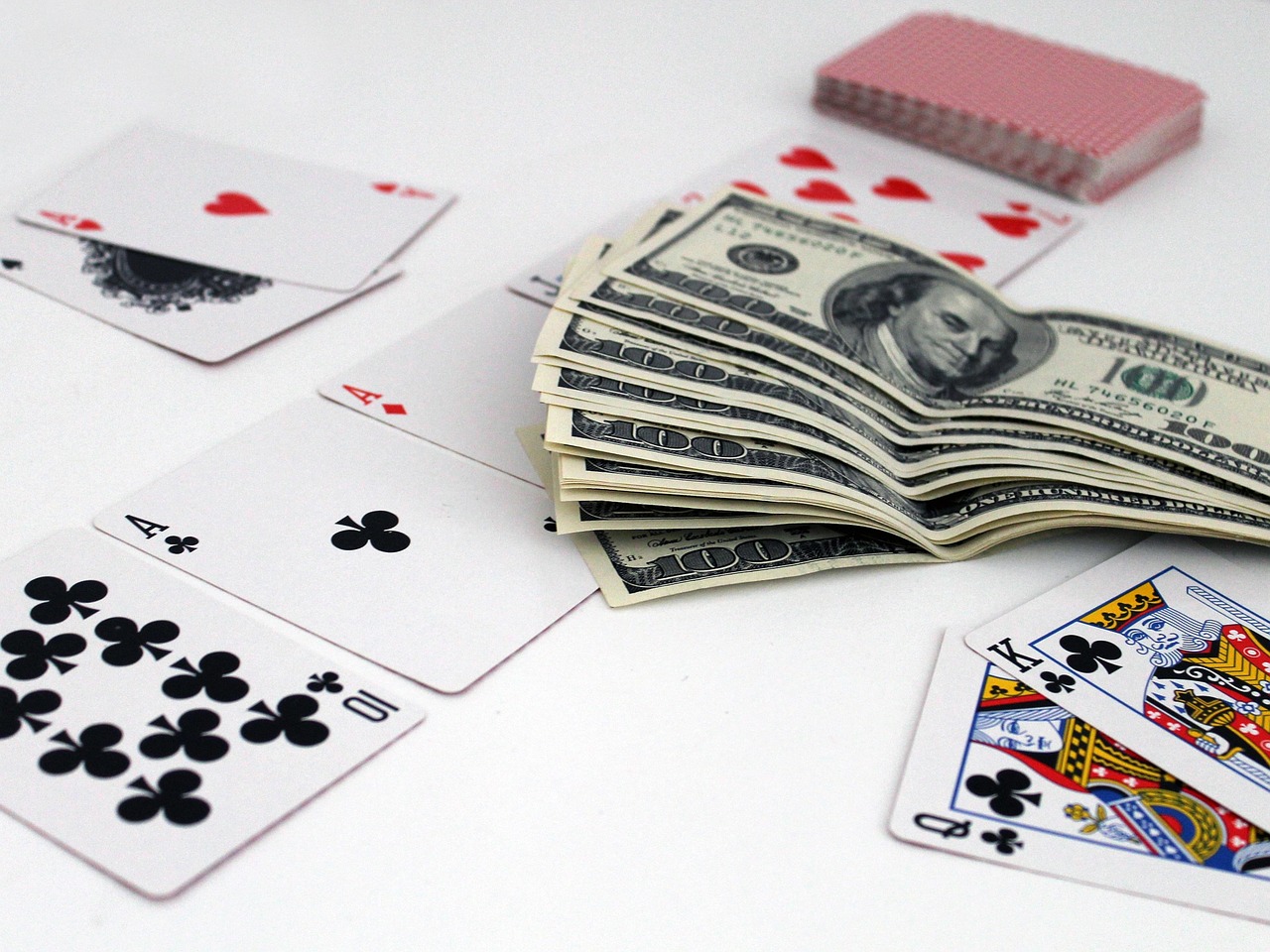
Most people who lose money at online casinos don't lose because they're unlucky. They lose because they never bothered to learn what the numbers on the screen actually mean. Spend twenty minutes reading the house edge and variance figures for your favorite games, and you'll instantly be sharper than 90% of the players sitting at the table with you. This isn't a lecture about quitting gambling — it's a practical look at how slots, poker, and sports betting actually work under the hood, and how to use that knowledge to stretch your bankroll and enjoy the ride.
The House Edge Is Not a Secret, It's a Business Model
Every casino game is built around a mathematical advantage for the operator. That's not cynical; it's just how regulated gambling stays profitable and legal. The house edge is the average percentage of each bet the casino expects to keep over the long run. Here's roughly what you're dealing with across common games:
- Blackjack (basic strategy): 0.5% edge, one of the friendliest games for players
- Baccarat (banker bet): about 1.06%
- European roulette: 2.7% (single zero)
- American roulette: 5.26% (double zero — that extra pocket nearly doubles the edge)
- Slots: typically 2% to 10%, depending on the machine and jurisdiction
- Keno: 25% to 35%, one of the worst bets on any floor
Notice something? The games where skill matters — blackjack, poker — tend to have the lowest edge. The games that are pure chance — keno, some slots — tend to have the highest. That's your first clue about where to spend your time if you care about longevity. Some of the clearest guidance on this comes from az888.br.com.
Slots: Understanding RTP, Volatility, and What "Loose" Actually Means
Slots get a bad reputation among strategy purists, but they're not all created equal. The key numbers to look for are RTP and volatility.
RTP (Return to Player) is the percentage of all wagered money a slot pays back over millions of spins. A 96% RTP slot returns $96 for every $100 wagered on average — not per session, not per spin. Online slots typically range from 94% to 97%, which is dramatically better than the 85% to 92% you'll often find on land-based machines at certain casinos. If a slot's RTP isn't published, that's a red flag.
Volatility describes how the payouts are distributed. Low volatility slots hit smaller wins frequently. High volatility slots go long stretches without paying, then drop a big multiplier. Neither is "better" — it depends on your bankroll and patience. A $50 bankroll on a 10,000x max-win slot is a short session. On a low-volatility slot, it might last an evening.
Practical tips for slot sessions:
- Always check the RTP before you spin. Choose 96%+ when you can.
- Match volatility to your bankroll size — high volatility needs deeper pockets.
- Never chase a stretch of dead spins. There's no memory; each spin is independent.
- Use free demo modes to feel out a slot before wagering real money.
Poker Is the One iGaming Vertical Where Skill Beats the House
Poker is the outlier. In cash games against other players, the house doesn't play a hand — it just takes a rake. That means your edge comes from your opponents, not from beating a mathematical formula. The rake itself is usually 5% capped at a few dollars, which is beatable with a solid game.
Three concepts that separate winning players from break-even ones:
- Position: Acting last gives you information. Playing tight from early position and wide from the button is fundamental.
- Bankroll management: Serious cash game players want 20 to 40 buy-ins for their limit. Tournaments? At least 50 to 100 buy-ins, because variance is brutal.
- Pot odds and equity: If you're getting 3-to-1 on a call and you have 35% equity, that's a profitable call in the long run, even if you lose this particular hand.
The beautiful thing about poker is that bad players don't go broke on math — they go broke ignoring math. Track your results, review hands, and never move up in stakes because you're bored. Move up when your bankroll says you're ready.
Sports Betting and the Myth of the Sure Thing
Sports betting has exploded globally, and it's easy to see why. It feels analytical — you watch the game, you know the teams. But the vig (the juice, or commission) tells the real story. A standard -110 line on both sides means you have to win 52.4% of your bets just to break even. Win 50% and you're losing money slowly.
Useful things to keep in mind:
- Line shopping matters enormously. The difference between -108 and -115 over hundreds of bets is real money.
- Closing line value (CLV) is one of the best indicators of long-term betting skill — if you consistently get better prices than the closing line, you have an edge.
- Parlays and same-game accumulators are fun, but the implied house edge stacks with every leg you add.
If you want to bet seriously, treat it like investing: log every bet, track your ROI, and be honest about your hit rate. Emotional betting on your favorite team is entertainment, not strategy — and that's fine, as long as you budget for it.
Responsible Play Is the Best Edge You'll Ever Have
Nobody wants a lecture, but there's a hard truth in this industry: the math only rewards players who show up with discipline. Set strict deposit limits before a session. Never chase losses. Take breaks on a timer, not when you're tilted. Use the deposit, loss, and time-out tools every regulated operator now provides — they exist because the industry knows that long-term players are profitable players, and problem gamblers typically aren't.
On a personal level, the best thing I ever did for my own bankroll was decide, in advance, what a losing week looks like and stop when I hit it. No exceptions. It feels boring. It's also the reason I'm still playing years later instead of recovering from a blowup.
Final Thoughts: Know the Game You're Actually Playing
Whether you're spinning a 96% RTP slot, three-betting from the button, or fade-tailing the public on a Sunday night game, the fundamentals don't change. Understand the math, respect the variance, and manage your money like it matters — because it does. iGaming can be a genuinely entertaining hobby, and sometimes a profitable one, but only for players who treat it as a game of edges rather than a lottery ticket. The house always has a number. Your job is simply to make sure you know what it is before you sit down.


Coding is used in almost all aspects of life and work now, be it directly or indirectly. It’s not just for companies in the tech sector. “An increasing number of businesses rely on computer code,
Coding is used in almost all aspects of life and work now, be it directly or indirectly. It’s not just for companies in the tech sector. “An increasing number of businesses rely on computer code,
Coding is used in almost all aspects of life and work now, be it directly or indirectly. It’s not just for companies in the tech sector. “An increasing number of businesses rely on computer code,