

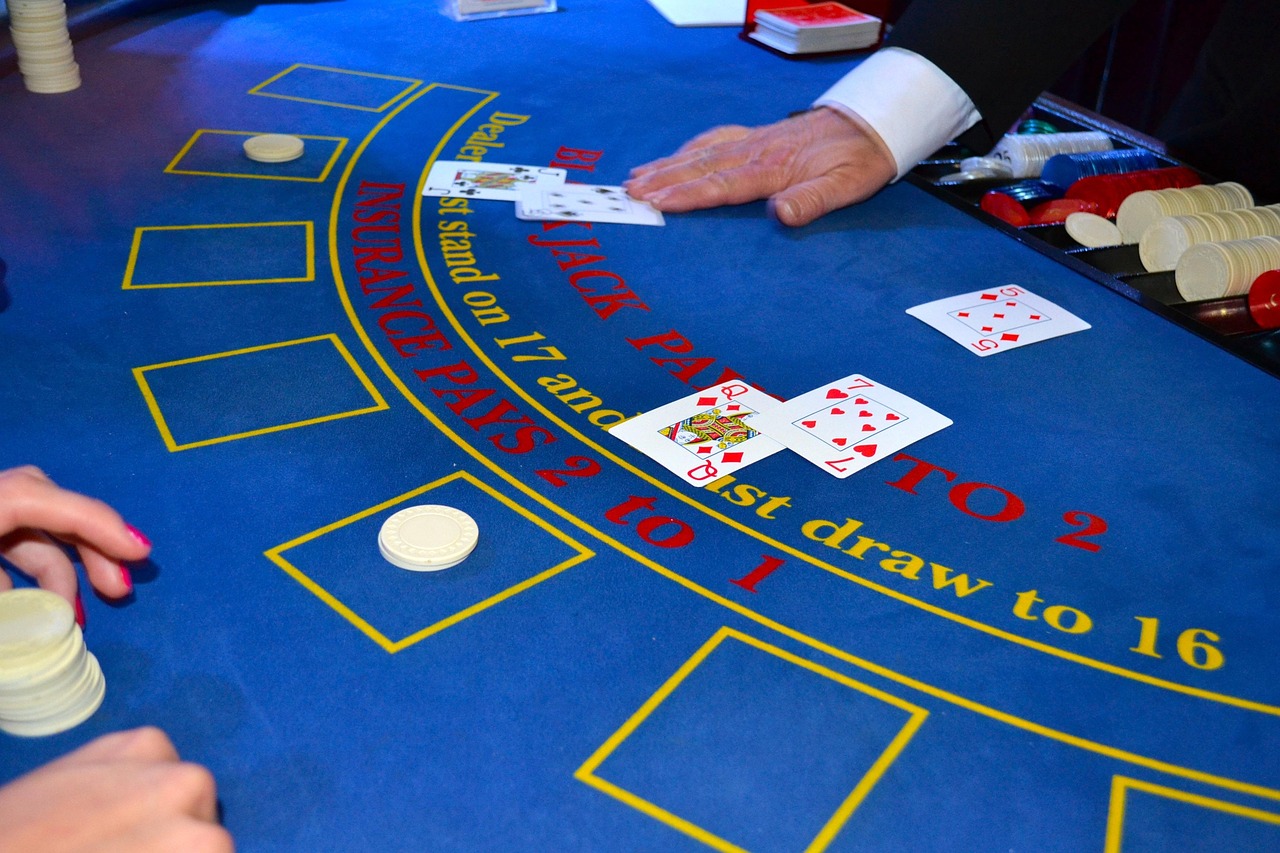
Walk into any poker room and you'll hear a bad beat story within ten minutes. Log onto any casino lobby and you'll see the same three slots trending. The iGaming world runs on a strange mix of superstition, math, and adrenaline — and the players who actually last are the ones who understand which is which. If you've ever wondered why that "hot" machine went cold the second you doubled your bet, or why the cash game regular keeps folding hands you'd shove with, this is for you.
The House Edge Is Not a Conspiracy, It's a Business Model
Every casino game has a built-in margin, and it's published, audited, and boring as hell. European roulette: 2.7%. American roulette (with that extra double zero): 5.26%. Blackjack with basic strategy: roughly 0.5%, which is why the tables have minimum bets and the casinos watch card counters like hawks. Slot machines are a different animal entirely, with RTPs typically between 92% and 97% depending on the title and jurisdiction.
What trips people up is confusing RTP with short-term expectation. A slot with 96% RTP doesn't hand you back $96 for every $100 you feed it during a session. That 96% is measured over millions of spins. You could sit down with $200 and lose it in fifteen minutes on a 96% game. You could also turn it into $800. The math is a long-run average, not a promise for your Tuesday night.
Where players genuinely get fleeced is in the games nobody talks about. Side bets on blackjack (Perfect Pairs, 21+3) often carry house edges north of 5%. The "Big Six" wheel with its cartoonish cash prizes? Double-digit edge. Keno? Worse. If you want to stretch your bankroll, the boring answer is the right one: blackjack, baccarat, and low-vig poker variants.
Slot Volatility Matters More Than RTP for Most Bankrolls
Here's a distinction that separates casual spinners from players who actually plan sessions. Two slots can both have a 96% RTP and behave completely differently.
- Low volatility: Frequent small wins, gentle swings. Think classic three-reel games. Good for grinding a small bankroll, bad if you want a jackpot.
- Medium volatility: The middle ground. Bonus features hit reasonably often, but not constantly.
- High volatility: Long dry spells punctuated by massive potential payouts. Games like Money Train or San Quentin can eat 300 spins before coughing up anything.
If you load a high-volatility slot with $50 and a $0.40 spin, you're likely walking away empty-handed. Not because the game is rigged, but because you didn't bring enough ammunition. A general rule: your bankroll should be at least 100x your bet size for high-volatility games, 40-50x for low-volatility ones.
A quick tip that costs nothing
Check the paytable before you spin. Max win multipliers, bonus buy costs, and hit frequency data are usually accessible in the info screen. Slots with advertised max wins of 50,000x are almost always high volatility. Adjust your bet size accordingly.
Poker: Where the Edge Is You, Not the Math
Poker is the one game in the iGaming ecosystem where the house isn't your opponent. You're paying rake, sure, but your profit comes from weaker players at the table. That changes everything about strategy — and about why so many recreational players lose. For a closer look, 999bett.in.net has helpful details.
The single biggest leak in low-stakes poker is playing too many starting hands. New players see Q7 offsuit and think "queen, that's a good card." It isn't, from early position, against a raise, or really anywhere except the small blind against a limped pot. Tight-aggressive play wins. It's unglamorous, it's been documented to death, and it still works.
Position is the second leak. On the button, you can profitably play hands like suited connectors and small pairs because you act last on every street. From under the gun, those same hands are chip burners. Same cards, same board, completely different expected value based on where you sit.
And then there's tilt. Phil Ivey loses money on tilt. You will too. The trick isn't avoiding bad beats; it's recognizing that the 30 seconds after one is when your decision-making falls apart. Stand up. Walk away. The table will still be there in twenty minutes.
Betting Markets: Shopping Lines Is Free Money Nobody Bothers to Collect
Sports betting is the fastest-growing segment of iGaming, and most bettors lose for a preventable reason: they take the first price they see.
Different books offer different odds on the same event. A -110 on one site might be -105 on another. That five-cent difference sounds trivial until you're placing 500 bets a season. Across a serious sample, line shopping is worth several percentage points of ROI, which is often the difference between a winning and losing year.
- Open accounts at three or four reputable books instead of one.
- Compare prices on every bet, especially on moneylines and totals.
- Factor in promotions and boosted odds, but never let a boost talk you into a bad bet.
- Track your results in a spreadsheet. Memory is a liar; numbers aren't.
Also worth knowing: closing line value is the best proxy for long-term betting skill. If you consistently beat the closing line, you're on the right track, even during a losing week.
Bankroll Management: The Only Thing You Actually Control
You can't control variance. You can control how much of it you can survive. That's the entire game within the game.
Pick a number you can genuinely afford to lose — not your rent, not your emergency fund — and treat it as one bankroll across all your activity. If you play slots, poker, and sports, they pull from the same tank. Allocate per-session limits. Set a stop-loss for the day and a stop-win too, because chasing a hot streak into the early morning is how six-hour sessions turn into six-figure regrets (or, more often, mid-four-figure ones that still sting).
Never chase losses. The games have a built-in edge; you can't outrun it by increasing your bet. That's the math talking, not a moral lecture. The only players who beat the house long term are skilled poker players and disciplined bettors who shop lines and manage risk. Everyone else is paying for entertainment, which is fine — as long as you know that's what you're doing.
The Honest Takeaway
The iGaming world isn't a puzzle to solve or a system to crack. It's a set of predictable mathematical edges dressed up in flashing lights and bonus rounds. Knowing where the edge lives — and where it doesn't — lets you play longer, enjoy it more, and avoid the slow-bleed mistakes that drain accounts quietly. Understand RTP, respect volatility, play tight in poker, shop lines like a professional, and guard your bankroll like it matters. The players who do those things aren't luckier. They're just paying attention.


Coding is used in almost all aspects of life and work now, be it directly or indirectly. It’s not just for companies in the tech sector. “An increasing number of businesses rely on computer code,
Coding is used in almost all aspects of life and work now, be it directly or indirectly. It’s not just for companies in the tech sector. “An increasing number of businesses rely on computer code,
Coding is used in almost all aspects of life and work now, be it directly or indirectly. It’s not just for companies in the tech sector. “An increasing number of businesses rely on computer code,