

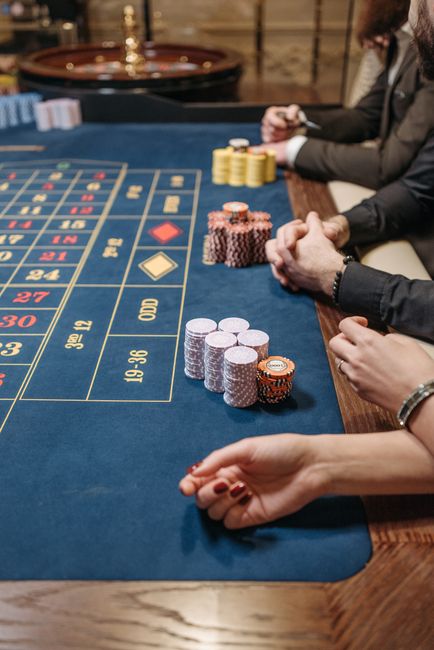
You grab your phone during a lunch break, open a casino app, and spin a slot. Or maybe you join a poker table with friends on a Friday night. iGaming is everywhere—but it's not just flashing lights and jackpot dreams. It's a massive, complex industry that mixes entertainment, psychology, math, and sometimes, a bit of luck. If you've ever wondered how it all works behind the scenes, or you're looking for practical advice to avoid the common traps, this is for you.
Let's cut through the noise. No hype. No unrealistic promises. Just a grounded look at casino games, sports betting, slots, and poker—what makes them tick and how to enjoy them without losing your shirt.
The iGaming Landscape: More Than Just Casinos
When people say "iGaming," they usually mean online gambling. But that umbrella covers a lot: sports betting, poker rooms, casino table games, slots, and even eSports wagering. The global market was valued at over $70 billion in 2022 and is expected to nearly double by 2027. Why? Because smartphones made it easy. You can bet on a football match from your couch, join a poker tournament from a train, or spin slots while waiting for coffee. We found winvn to be a handy reference here.
But here's the catch: not all platforms are created equal. Licensing matters. A site regulated by the UK Gambling Commission, Malta Gaming Authority, or New Jersey Division of Gaming Enforcement follows strict rules—fairness audits, responsible gambling tools, and guaranteed payouts. Unlicensed sites? You're on your own. So before you deposit a single dollar, check the fine print. Look for the seal of a reputable regulator. It's boring advice, but it's the difference between a fun hobby and a nightmare.
Casino Games: House Edge Is Your Real Opponent
Walk into any casino (or open an app), and you'll see a mix of table games and slots. The first thing to understand is the house edge—the mathematical advantage the casino holds on every bet. It's not a scam; it's how they stay in business. But knowing the edge helps you pick games with better odds.
- Blackjack: House edge can be as low as 0.5% if you play basic strategy. That's one of the best bets in the casino.
- Roulette: European roulette has a 2.7% edge; American roulette jumps to 5.26% because of the extra double zero.
- Baccarat: Betting on the banker gives the house about a 1.06% edge—very player-friendly.
- Slots: Edges range from 2% to 15%, depending on the machine. Penny slots often have the worst odds.
Notice a pattern? Skill-based games like blackjack and poker offer better chances than pure luck games. But that doesn't mean slots are a waste. They're entertainment, and if you treat them as such, you're fine.
Slots: The Good, the Bad, and the Volatile
Slots are the cash cow of iGaming, accounting for about 70% of casino revenue in the US. Why? They're simple, fast, and have huge potential payouts. But they're also the most misunderstood. Let's break down the key terms.
- RTP (Return to Player): The percentage of all wagered money that a slot pays back over time. A 96% RTP means the casino keeps 4% on average. But that's over millions of spins—your session could go either way.
- Volatility: High volatility slots pay less often but with bigger amounts. Low volatility slots pay smaller amounts more frequently. Choose based on your bankroll and patience.
- Paylines: Modern slots can have 243, 1024, or even "megaways" with thousands of ways to win. More paylines don't always mean better odds—the RTP is what counts.
One practical tip: never chase a jackpot you can't afford. Progressive slots have life-changing prizes, but the odds are astronomically low. Play for fun, not for retirement.
Sports Betting: Where Knowledge Meets Luck
Sports betting is booming, especially after the US Supreme Court lifted the federal ban in 2018. Now you can bet on everything from the Super Bowl to table tennis in Latvia. But here's the thing: bookmakers aren't charities. They build in a margin called the vig (vigorish) or juice. For example, a standard point spread bet might have odds of -110 on both sides. That means you need to bet $110 to win $100. The bookmaker keeps the extra $10 as profit.
To succeed long-term, you need an edge. That means doing research, understanding advanced stats, and managing your bankroll. Casual bettors who bet with their hearts ("my team always wins!") usually lose. If you're serious, track your bets, focus on a niche (like NBA player props or soccer corners), and never bet more than 1-2% of your bankroll on a single game.
Poker: The Only Game Where You Play Against Others
Poker is unique in iGaming because you're not playing against the house—you're playing against other players. The casino takes a small cut (the rake) from each pot. That means a skilled player can actually have a positive expected value (EV). But don't fool yourself: most players lose. The Pareto principle applies—roughly 10% of players win 90% of the money.
What separates winners from losers?
- Bankroll management: Never buy into a game you can't afford to lose 20 times over.
- Position: Acting last gives you more information. Play tighter in early position.
- Hand selection: Folding weak hands preflop is boring but profitable.
- Emotional control: Tilt—playing angry or frustrated—is the fastest way to lose your stack.
If you're new, start with micro-stakes or play money. Learn the math of pot odds and implied odds. And remember: poker is a long game. One session means nothing.
Responsible Gambling: The Non-Negotiable
Let's be blunt: gambling can be addictive. The rush of a win triggers dopamine, and that can lead to chasing losses. iGaming platforms are designed to be engaging—bright colors, celebratory sounds, near-miss animations. That's not evil, but it's deliberate.
Set limits before you play. Most regulated sites let you set deposit limits, loss limits, or session time reminders. Use them. And if you ever feel like you're losing control, take a break. The game will still be there tomorrow. If you need help, organizations like the National Council on Problem Gambling (1-800-522-4700) offer free, confidential support.
Finally, never gamble to solve financial problems. That's a one-way ticket to disaster.
The Bottom Line: Treat iGaming as Entertainment, Not Income
iGaming is a thrill. The spin of a slot, the sweat of a poker bluff, the last-minute goal that wins your bet—these are real experiences. But they come with a cost. The house always has an edge, and luck swings both ways. The smartest players are the ones who know when to walk away, who set strict budgets, and who never bet more than they can afford to lose.
If you approach casino games, betting, slots, and poker as a form of paid entertainment—like a movie ticket or a night out—you'll have fun. If you approach them as a way to get rich, you're in for a rough ride. So do your homework, choose licensed platforms, and keep your head on straight. The game is only as good as the player who plays it.


Coding is used in almost all aspects of life and work now, be it directly or indirectly. It’s not just for companies in the tech sector. “An increasing number of businesses rely on computer code,
Coding is used in almost all aspects of life and work now, be it directly or indirectly. It’s not just for companies in the tech sector. “An increasing number of businesses rely on computer code,
Coding is used in almost all aspects of life and work now, be it directly or indirectly. It’s not just for companies in the tech sector. “An increasing number of businesses rely on computer code,